
In March of 1977, an iconic meeting took place in a conference room at Island Records in Los Angeles, a meeting that would forever alter the course of both reggae music and Bob Marley’s career. Bob Marley, the king of reggae, sat across from Quincy Jones, one of the most successful and influential producers in the music industry. Jones had just finished producing Michael Jackson’s Off the Wall demos and was at the top of his game, eager to take Marley’s music to new heights. However, what transpired in that room was not just a battle over production—it was a clash of ideals, a confrontation between artistic integrity and commercial success.
The Meeting: Clash of Two Worlds
The stage was set. Bob Marley, already a global superstar with his album Exodus climbing the charts worldwide, was poised to become even bigger—if only he would take Quincy’s offer. Quincy Jones, at 44 years old, had worked with the giants of music—Ray Charles, Frank Sinatra, Count Basie—and he had just helped Michael Jackson break through with a sound that would go on to revolutionize pop music. His offer to Bob Marley was clear: let me “polish” your music, bring it to the American mainstream, make it fit the sound that radio stations were craving.
Marley, on the other hand, was a man of deep conviction, a man whose music was driven by a philosophy of truth, freedom, and resistance. His reggae was raw, unpolished, and deeply personal—reflecting the struggles of his people and the authenticity of Jamaican culture. For Marley, the message was everything. But here was Quincy Jones, offering something different—a production that could smooth the edges, add brass, tighten arrangements, and make it palatable to mainstream American audiences.
Quincy’s opening statement was straightforward: “Bob, you’re brilliant, but you’re not reaching your full potential.” Marley’s response was equally clear: “I am a star.” But for Quincy, that wasn’t enough. He pushed, trying to convince Bob that if he wanted to be truly influential, he had to evolve. The way Marley’s music was being produced, raw and rough as it was, wouldn’t make it on American radio. Quincy believed he could help, that he could “polish” Bob’s sound, make it more “professional,” and in doing so, elevate Bob to superstardom.
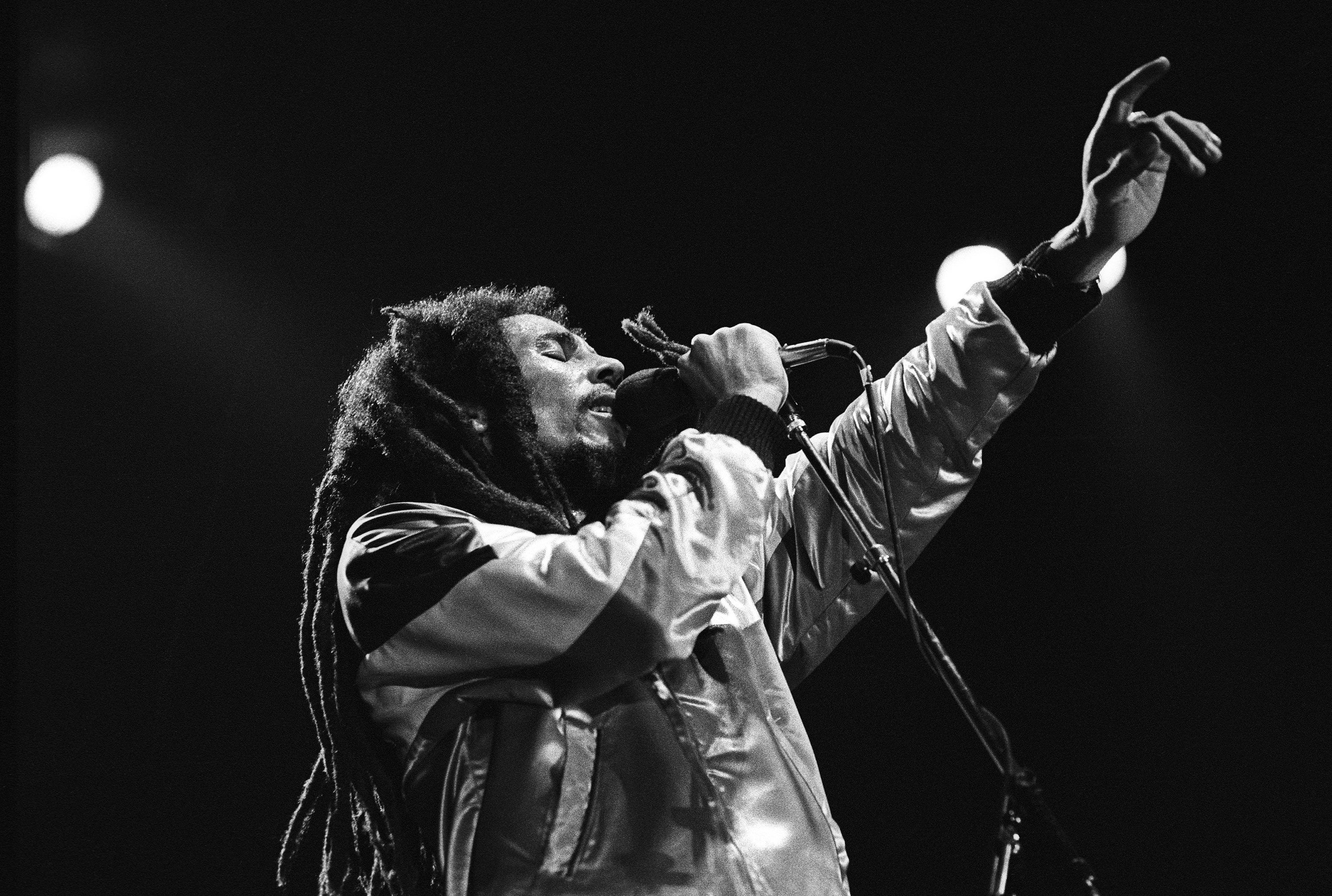
The Moment of Defiance: “What Do I Have to Give Up?”
As Quincy continued to press for his vision, he offered what he believed was an irresistible deal. “I can make you bigger than Stevie Wonder,” he promised. “I can get you Grammy nominations, radio play across the country. You can be bigger than you’ve ever imagined.”
But Bob was unmoved. His calm response was simple, direct: “And what do I have to give up?”
Quincy, taken aback, smiled, thinking Bob misunderstood his offer. “Nothing. You give up nothing. I just enhance what you already have.” But Bob wasn’t convinced. His voice remained steady as he asked, “And if I don’t want to be polished?”
The question hung in the air, and suddenly, the tone shifted. Quincy’s calm demeanor faltered as he realized Bob was more than just a musician; he was an artist with an unshakable vision of what his music should represent. “Bob, I don’t think you understand what I’m offering,” Quincy said, his patience waning. “I produce hits. I make legends. What you have is raw, but it’s not polished. It’s not finished.”
Bob’s response was firm, his words carrying the weight of his artistic integrity: “I make truth. That’s what I do.”
The Tension Rises: Truth vs. Commercial Success
As the conversation unfolded, the divide between Quincy’s view of commercial success and Bob’s vision of artistic truth became more evident. Quincy tried to convince Bob that to reach a larger audience, he had to adapt his sound. He argued that reggae needed to evolve, to become more sophisticated, more “American.” Bob, however, saw this as a betrayal of the very essence of reggae.
“Reggae doesn’t need to sound like anything but reggae,” Bob asserted. “Then it’ll die. It’ll be a footnote.”
Quincy’s frustration mounted, and for the first time, his voice rose in irritation: “Real doesn’t pay the bills, Bob. Real doesn’t fill stadiums. Real doesn’t get you on the cover of Rolling Stone.”
But Bob was resolute. “I’m choosing to be real.”

A Moment of Clarity: “This Is My Music”
As the meeting continued, it was clear that both men were steadfast in their positions. Quincy, a man whose success in the music industry had been built on understanding the market and giving artists what they needed to succeed, couldn’t understand why Bob wouldn’t take the opportunity. To him, it was about survival—adapting to the changing tides of the music business.
Bob, on the other hand, wasn’t concerned with survival in the commercial sense. For him, the music was always about more than success—it was about message, struggle, and authenticity. Bob’s insistence on staying true to reggae’s roots was a direct challenge to Quincy’s commercial mindset.
Bob explained with calm conviction: “Your expertise in making music sound American. I don’t want American expertise. I want Jamaican truth.”
In that moment, it wasn’t just about the music—it was about the authenticity of his culture and the message he wanted to share with the world.
Quincy, though clearly disappointed, remained adamant: “You’re making a mistake, Bob. You’re turning down the opportunity of a lifetime because of some romantic idea about authenticity.”
But Bob’s response was unwavering: “Not better, different. And different is what reggae needs to stay.”
Bob’s Bold Decision: Trusting His Vision
Bob Marley’s decision to reject Quincy Jones’ offer marked a pivotal moment not only in his career but in the entire music industry. While Quincy saw the potential for mainstream success and fame, Bob was determined to keep his music raw, unpolished, and deeply tied to his roots. He understood that compromise in his art would lead to the erosion of its power and message.
The contract sat on the table in front of Bob, untouched. It was a typical producer’s agreement, the kind Quincy had used to elevate other artists to stardom, but for Bob, it represented something he couldn’t sacrifice: his artistic integrity.
“I trust mine,” Bob said, calmly walking away from the deal that could have made him even more famous.

Legacy: How Bob Marley’s Decision Shaped His Career
Bob Marley’s refusal to let Quincy Jones “polish” his sound didn’t just define his music—it defined his entire career. By refusing to compromise on the raw, unfiltered authenticity of reggae, Bob ensured that his music would remain a reflection of his truth and the struggles of his people.
Exodus became one of his most successful albums, a masterpiece that reflected Bob’s unwavering commitment to his roots. In rejecting mainstream expectations and standing firm in his artistic vision, Bob Marley not only solidified his place in music history but also became an icon for artists who refuse to sell out.
Bob’s legacy is a testament to the power of staying true to one’s art, no matter the cost. His refusal to compromise on his vision is one of the reasons why his music continues to resonate with listeners around the world. It was never just about fame—it was about delivering a message that could stand the test of time.
Bob Marley’s music wasn’t just a reflection of reggae—it was a reflection of his soul. And in 1977, when he chose to stick to his truth rather than bend to commercial pressures, he made a statement that reverberates throughout the music industry to this day.