Roald Dahl on Measles: A Father’s Tragedy and a Call for Immunization

In 1962, Roald Dahl, the beloved British author known for his whimsical stories, faced a heartbreaking and life-altering experience that would deeply shape his views on health and childhood immunization. His eldest daughter, Olivia, was just seven years old when she contracted measles. At first, it seemed like a typical case. As was customary in those days, Dahl did not immediately panic. He recalled how he would often read to Olivia while she was resting in bed, and he didn’t feel particularly alarmed by her condition. It was a common childhood illness, after all, and many children had measles without lasting complications.

But one morning, as Olivia appeared to be on the mend, Dahl noticed something troubling. They were sitting together, making little animals out of colored pipe cleaners, a simple and fun activity. However, when it came time for Olivia to make her own animal, Dahl observed that something was off. Her fingers and mind seemed disconnected, and she couldn’t manage the task. Concerned, Dahl asked her how she was feeling.

“I feel all sleepy,” Olivia replied, but within an hour, she was unconscious.
The reality of the situation hit Dahl hard. Within just twelve hours, his daughter was gone. Olivia had succumbed to a rare but fatal complication of measles called measles encephalitis, a brain infection that causes swelling and, tragically, can lead to death. At the time, there was nothing the doctors could do to save her, and even now, should a child develop the same deadly reaction, there would still be little to offer in terms of treatment.

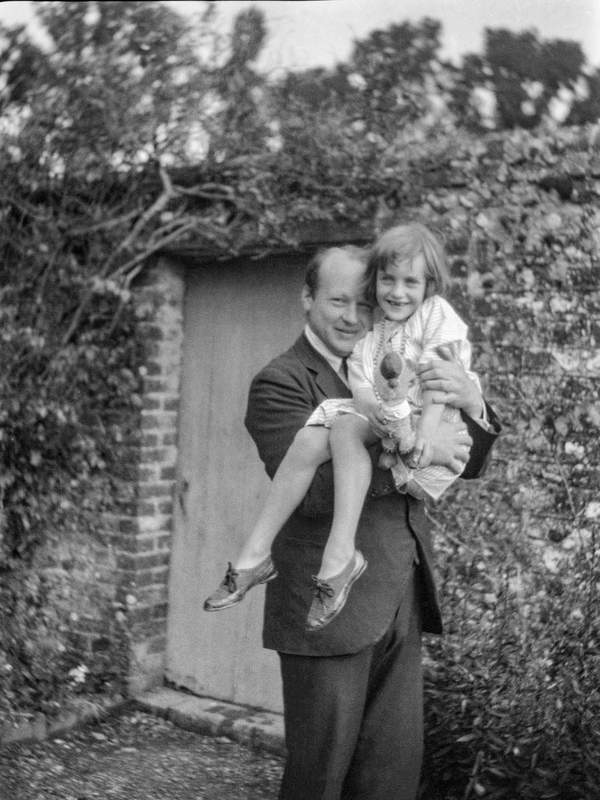
Black and white negative of Boris Anrep in front of a garden wall holding  Angelica Bell in his arms at Charleston, Firle, Sussex', Vanessa Bell,  1924', Vanessa Bell, 1924 – Tate Archive | Tate

The Lasting Impact of Olivia’s Death

Roald Dahl’s grief was unimaginable, but from that personal tragedy came a lasting change in his perspective on the importance of immunization. In 1986, Dahl spoke out about the preventable nature of such a tragedy. Reflecting on the loss of Olivia, Dahl wrote, “If a child with measles happens to develop the same deadly reaction from measles as Olivia did, there would still be nothing the doctors could do to help her.” This statement was a somber reflection of how little medical science could offer at the time.

However, Dahl was quick to emphasize that while the medical community’s options had been limited in 1962, things had changed by the 1980s. Today, he noted, there was something parents could do to prevent such a tragedy: immunize their children against measles. Vaccination had become a simple yet powerful tool in the fight against measles and the devastating complications it could cause.

Dahl’s experience as a father and his personal loss gave him a unique and passionate perspective on the importance of childhood immunization. His voice was an important one, as he used his platform not only to write for children but also to advocate for their health and safety. He wanted to ensure that no other parent would have to face the heartbreak he had endured.

Dedications to Olivia

In the years following Olivia’s death, Dahl turned his grief into a tribute to her memory. He dedicated two of his most famous works, James and the Giant Peach and The BFG, to his beloved daughter. The first dedication, made while Olivia was still alive, reflected Dahl’s deep affection for his daughter. But after her death, he dedicated The BFG to Olivia’s memory, ensuring that her name would be forever remembered in his works.

In both of these books, readers will find Olivia’s name at the beginning, a lasting tribute to the girl whose life was tragically cut short by measles. Dahl often expressed how he felt Olivia would have been happy to know that her death had led to a positive change, helping to save other children from the same fate.

Dahl’s voice as an advocate for childhood vaccination became even more powerful after Olivia’s death. He knew that his daughter’s tragic passing had the potential to raise awareness about the dangers of measles and the importance of immunization. He could not undo the loss of his child, but he found solace in the fact that his story, along with the widespread use of vaccines, could prevent similar heartbreak from happening to other families.
Black and white negative of Angelica Bell and Boris Anrep ...

The Legacy of Roald Dahl’s Advocacy for Vaccination

In the decades since, Roald Dahl’s advocacy for immunization has only grown more relevant. His story remains a poignant reminder of the impact of preventable diseases and the role that vaccines play in safeguarding the health of children. The simple act of vaccinating a child against measles, as well as other dangerous diseases, has become a cornerstone of modern public health efforts.

Dahl’s own tragic experience gave him a unique platform to raise awareness and change minds. His call for parents to ensure their children are vaccinated resonated deeply with the public, and his story continues to inspire those who work in public health today. The James and the Giant Peach and The BFG dedications serve as lasting reminders of the importance of vaccination and the lengths to which Dahl went to honor Olivia’s memory.

In the wake of his advocacy, the world saw the widespread benefits of vaccines, with measles and other preventable diseases becoming far less common. The global effort to eradicate measles has seen incredible strides, thanks in part to stories like Dahl’s, which remind us of the devastating impact diseases can have on families.

Roald Dahl’s Enduring Influence on Public Health

Roald Dahl’s loss was profound, but his ability to turn that pain into advocacy made a lasting difference in the world. His personal story about Olivia, her death from measles, and his passionate plea for vaccination has continued to have a ripple effect across generations. The voice of a father who lost his child to a preventable disease became the voice of change, speaking not just to the world of literature but to the realm of public health.

Dahl’s call for immunization stands as a legacy that continues to resonate today, reminding parents everywhere of the importance of protecting their children from preventable illness. His dedication to Olivia, made public in two of his most cherished works, lives on as a symbol of both his love for his daughter and his unwavering commitment to the health and safety of children worldwide.

Though Olivia’s life was tragically cut short, her legacy lives on through the powerful message Roald Dahl left behind. His advocacy, fueled by personal loss, has saved countless lives. Thanks to the work of individuals like Dahl and the efforts to raise awareness about childhood immunizations, we can continue to protect future generations from the heartbreak that he, unfortunately, experienced firsthand.

Conclusion: A Father’s Love and a Call for Change

Roald Dahl’s advocacy for vaccination is a reminder of the power one voice can have in changing the world. His heart-wrenching loss of Olivia led to a call for action that has undoubtedly saved lives. While he could not prevent his own grief, he was determined to use it to prevent similar heartbreak for others. Through his books, his voice, and his personal experience, Dahl reminded us all of the profound impact of childhood immunization and the importance of protecting the ones we love.

The legacy of Olivia Dahl lives on not only in the pages of James and the Giant Peach and The BFG but also in the hearts of parents, health professionals, and children who have benefited from the safety and protection that vaccines provide. Through his advocacy, Roald Dahl ensured that his daughter’s memory would inspire others to act, making the world a safer place for future generations.

Leave a Comment

Your email address will not be published. Required fields are marked *

Scroll to Top