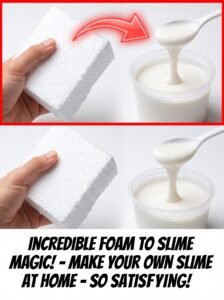
What if everyday waste could become a powerful repair tool? With expanded polystyrene and a few precautions, you can make a homemade adhesive designed for quick fixes on wood, metal, plastic, ceramics, and porcelain.
This artisanal glue is an economical and practical option for small household repairs, especially when you do not have a commercial adhesive available. It also gives a second use to polystyrene packaging, a material often thrown away after protecting appliances, electronics, or fragile goods.
The idea is simple: expanded polystyrene dissolves in F gasoline, creating a thick, sticky paste. Once applied to clean, dry surfaces, the mixture can bond different materials with impressive strength.
Ingredients and Equipment
To make this homemade glue, gather the following items:
- Expanded polystyrene, such as packaging foam used around household appliances
- F gasoline, available in DIY or hardware stores
- A solvent-resistant container, preferably glass or metal
- A mixing utensil, such as a wooden stick, spatula, or baguette
- Protective gloves, a mask, and safety glasses
Safety First
This preparation must be handled carefully. F gasoline is volatile and flammable, so choose an outdoor area or a very well-ventilated space before beginning.
Keep the mixture away from flames, sparks, heaters, cigarettes, and any other source of heat. Wear gloves, a mask, and safety glasses throughout the process. The vapors can be harmful if inhaled for too long, so ventilation is essential.
The Step-by-Step Method
Pour a small amount of F gasoline into your glass or metal container.
Add small fragments of expanded polystyrene gradually. The material will begin dissolving almost immediately and will turn into a viscous paste.
Continue adding polystyrene until the glue reaches the texture you need. The more polystyrene you add, the thicker the final mixture becomes. For a more fluid glue, use less polystyrene or dilute slightly with F gasoline.
Mix gently with your wooden stick or spatula until the preparation is even.
How to Apply the Glue
Before applying the glue, make sure the surfaces are clean, dry, and free from grease. For better adhesion, degrease the parts with isopropyl alcohol and allow them to dry fully.
Spread the glue with a brush, spatula, or stick, depending on the size of the repair. Press the two surfaces firmly together and keep them in full contact for a few moments.
The bond begins to set quickly, but for maximum resistance, wait at least 60 minutes before putting stress on the repaired object.
Where This Glue Can Be Used
This homemade adhesive can be used on many common materials, including:
- Wood
- Plastic
- Ceramic
- Porcelain
- Metal
It can be useful for small domestic repairs, broken decorative objects, loose pieces, and quick fixes where a strong bond is needed.
Why Try This Homemade Solution?
This glue is inexpensive, practical, and easy to prepare with simple materials. It also helps reuse expanded polystyrene, giving value to packaging that is often treated as waste.
For everyday repairs, it can be a useful alternative to buying a new tube of industrial glue each time something breaks.
Storage Tips
Store the glue in an airtight container, away from light, heat, children, and pets. When stored properly, it can last for several weeks.
If the mixture becomes too thick, add a small amount of F gasoline and stir carefully until the texture becomes easier to apply.
Important Precautions
Always use this glue in a ventilated area.
Never prepare or apply it near heat, sparks, or open flames.
Do not skip protective equipment.
Keep the container clearly identified and out of reach of children and animals.
This artisanal glue can quickly become a useful solution for everyday repairs. With careful handling, clean surfaces, and the right texture, it offers a simple, economical, and effective way to repair many common household items.